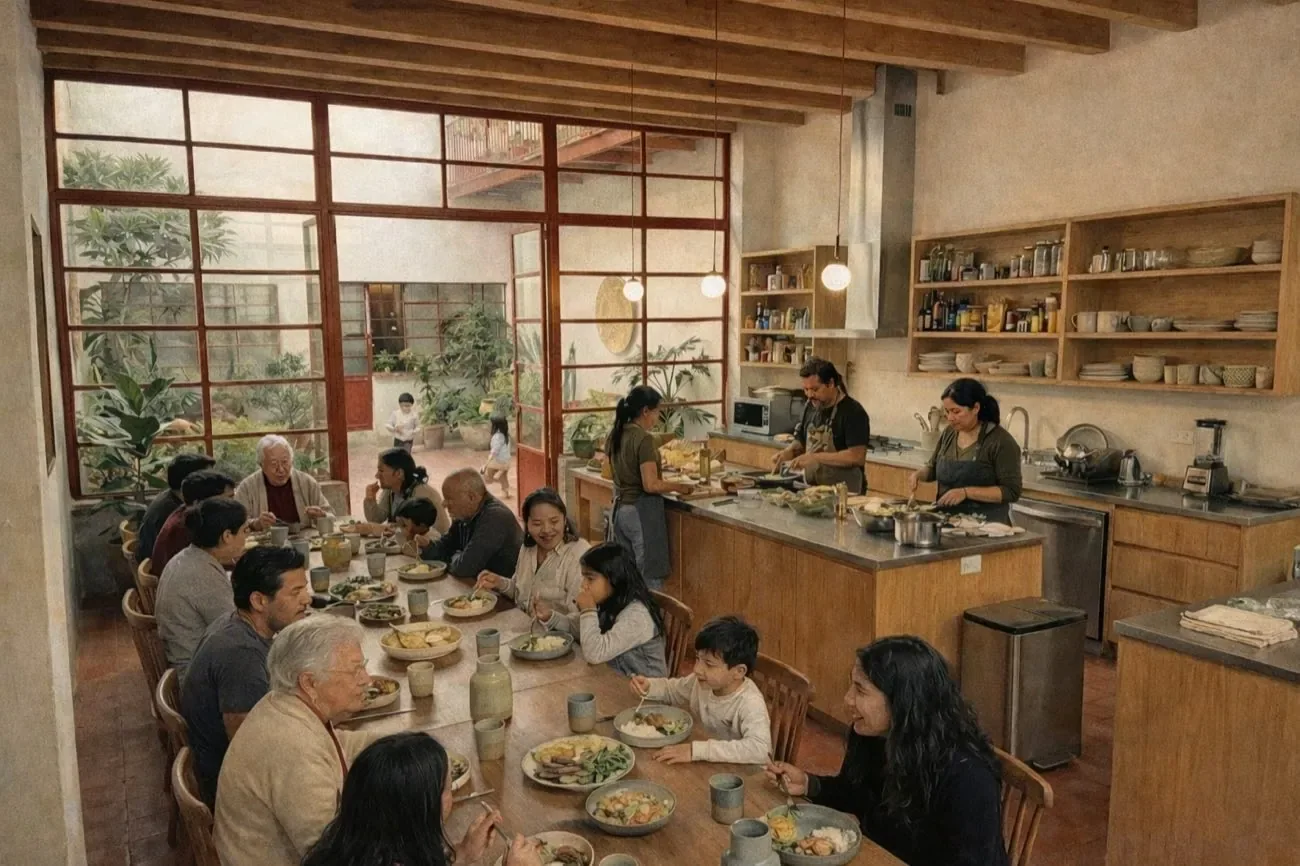
 01
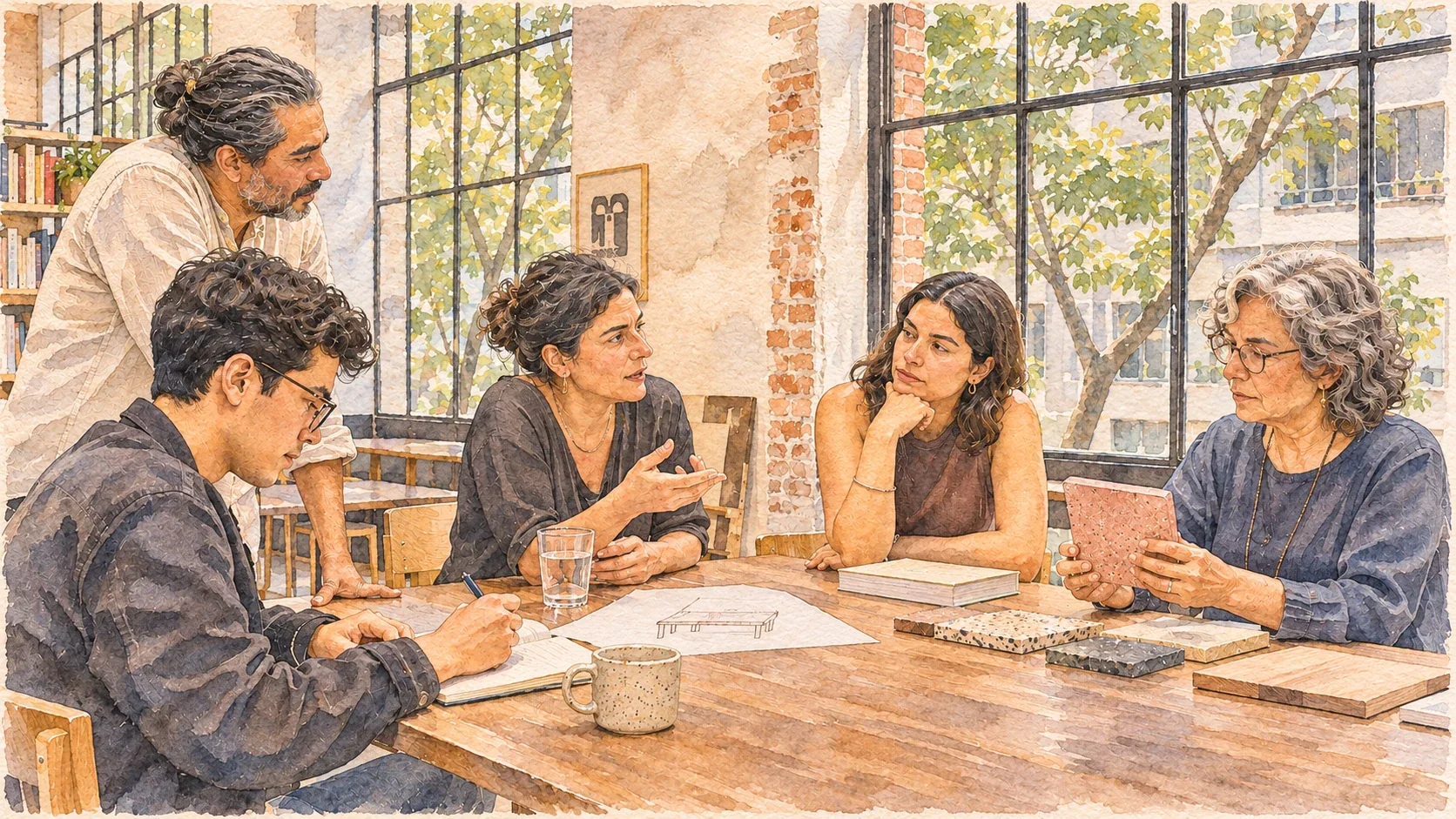
Working households
Living closer to jobs, schools, childcare, and everyday support.
A COLORADO HOUSING INITIATIVE
A proposed statewide coalition of housing developers exploring attainable homes, shared places, and stronger neighborhoods across Colorado.
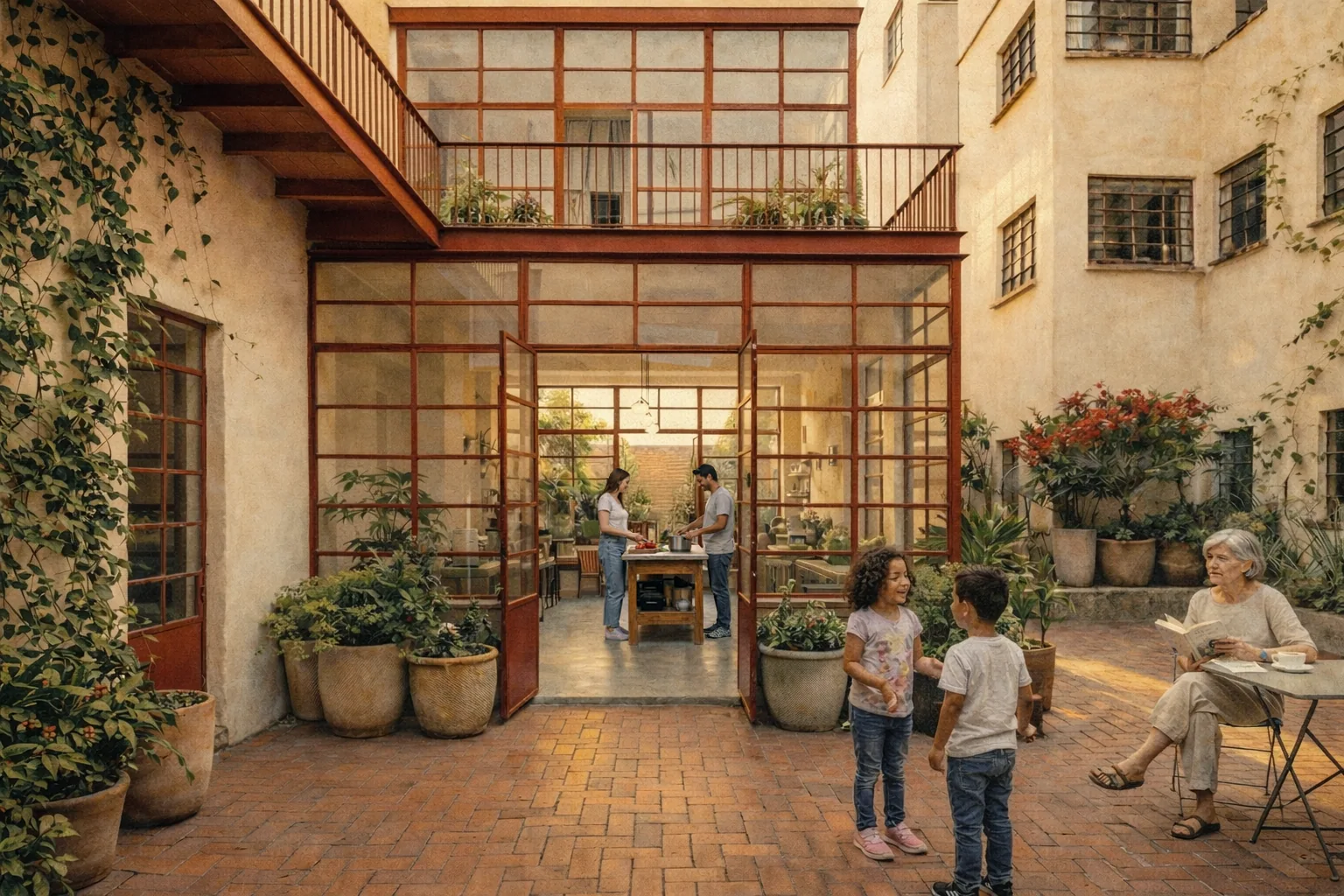
02 / THE CHALLENGE
When the people who keep a place running can't afford to live there, the cost is measured in more than dollars: longer commutes, family separation, and less time to care for one another.
Eagle River Valley study area; excludes Basalt and the Roaring Fork Valley. Household and employer surveys conducted in 2024, reported in the April 2025 draft analysis. Housing need is not a feasibility finding.
Illustrative Reurbano concept · not a Colorado project03 / THE INSIGHT
We think about housing as social infrastructure. Paths, shared rooms, gardens and nearby services can help make everyday connection easier without requiring anyone to sacrifice privacy.
04 / THE MODEL
Explore the elements of a community-oriented neighborhood. The specific spaces would be chosen for each site, its residents, and its operating budget.
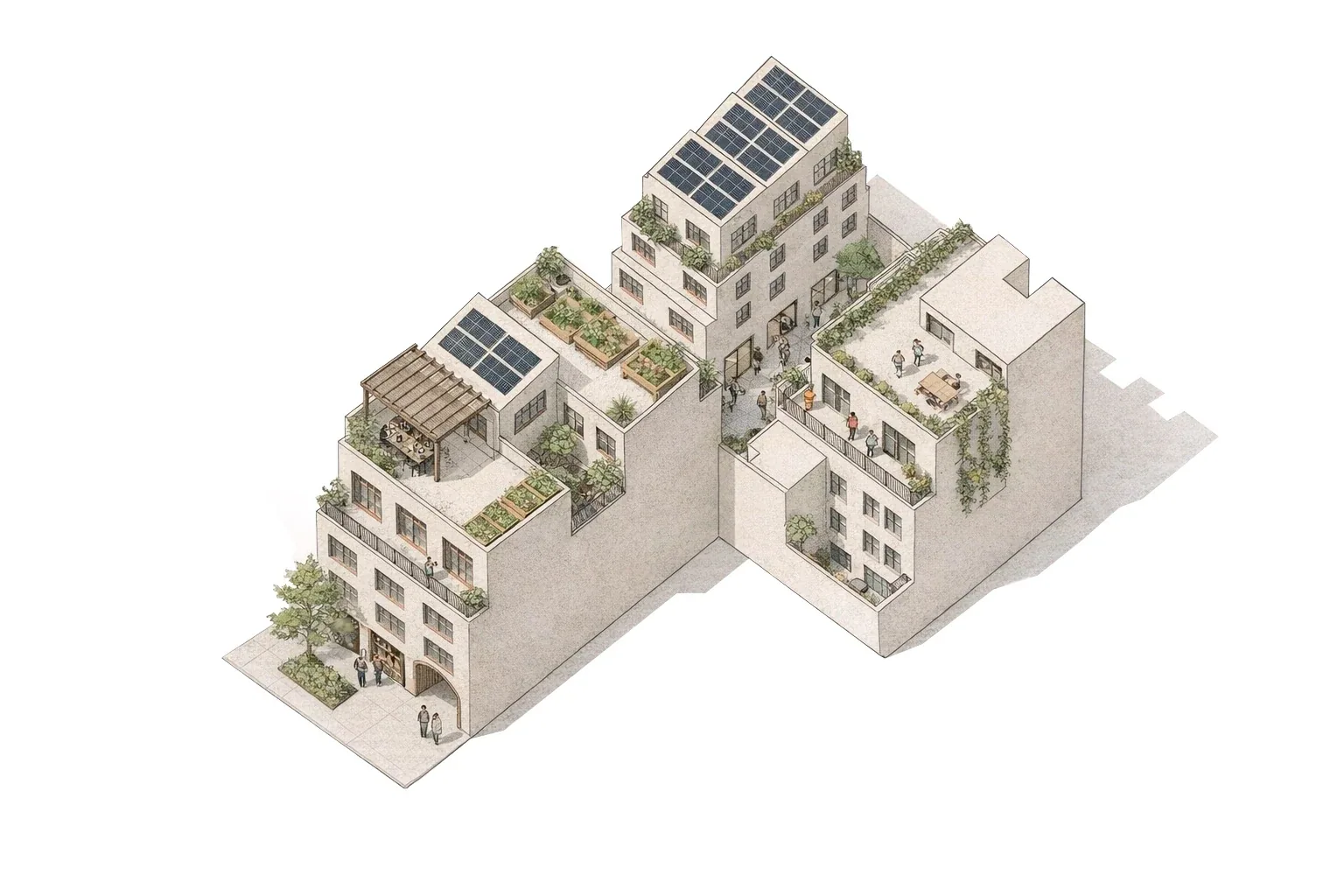 ILLUSTRATIVE RESIDENTIAL CONCEPT · MEXICO CITY
Every household has a complete, independent home. Participation in shared life is a choice, not a condition of living here.
05 / WHO IT'S FOR
There is no single 'community housing' household. Different life stages benefit from nearby support in different ways.
01Living closer to jobs, schools, childcare, and everyday support.
02Space to grow, with friends and trusted adults nearby.
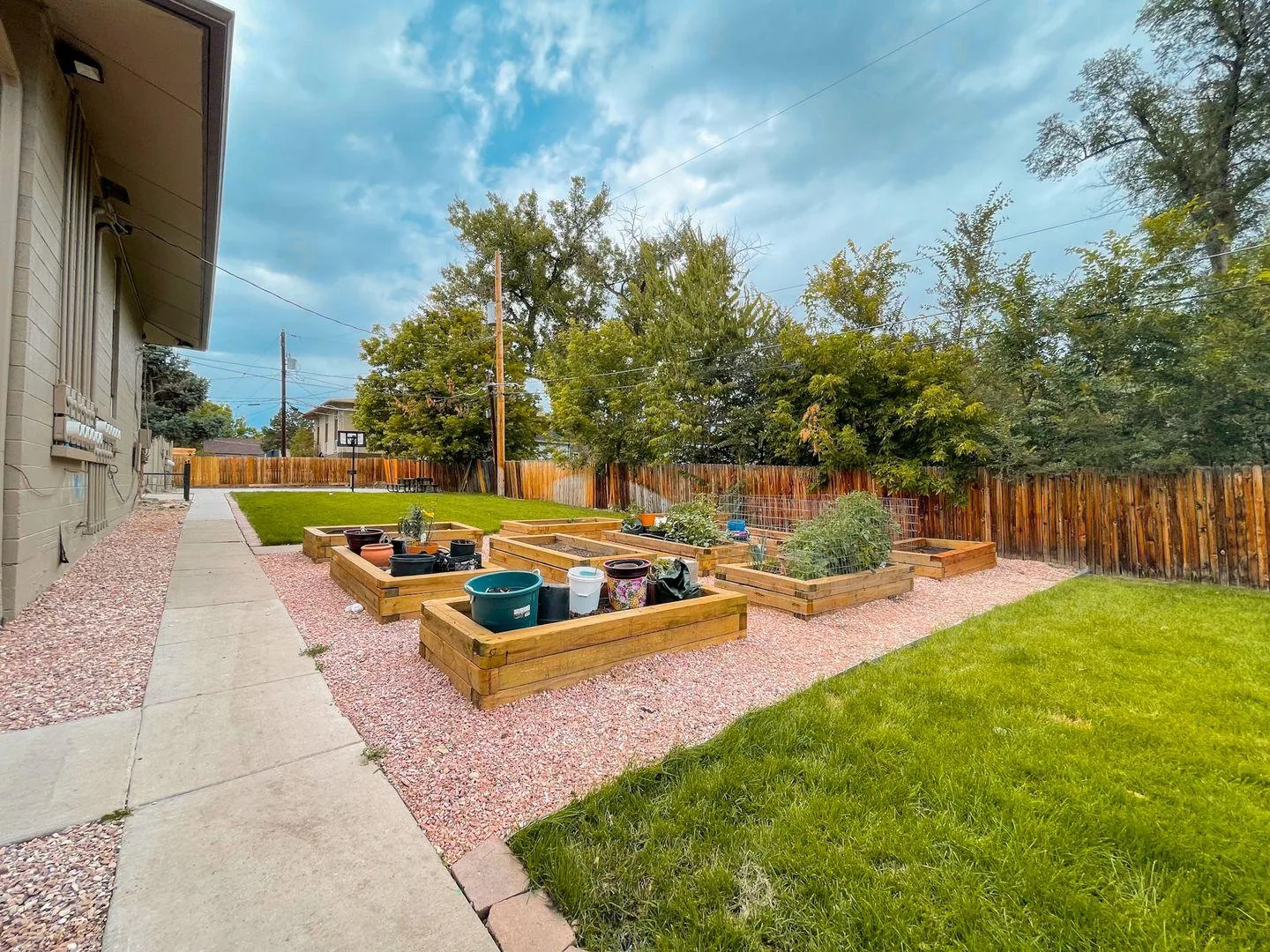 03
Smaller, accessible homes with independence and everyday connection.
 04
Room for generations to live nearer without sharing one household.
06 / WHAT WE COULD BUILD
Illustrative Reurbano conceptSmall clusters of complete private homes around shared courtyards, play spaces, and useful common rooms.
Potential fit: Rifle, Gypsum, Montrose, Buena Vista
All typologies are concepts; no Colorado site plan or budget has been approved.07 / ATTAINABILITY
Community is part of the ambition. Real affordability comes from the full equation: land, construction, financing, operations and the cost residents actually carry.
No assumed savings from shared amenities. Each proposal requires site-specific underwriting.
Existing utilities, a realistic land basis, predictable approvals and proximity to daily needs frequently matter more than an idealized site plan.
08 / HOW WE DEVELOP
We propose involving future residents at the right moments, while keeping design, permitting, finance, construction and operations professionally accountable.
First, understand which people and price points the existing housing pipeline still does not serve.
09 / THE COLLABORATORS
Colorado Housing Commons is an initiative in formation. Explore the relevant experience of each organization, and the possible roles they could play. The coalition is proposed, not an established legal consortium or nonprofit.
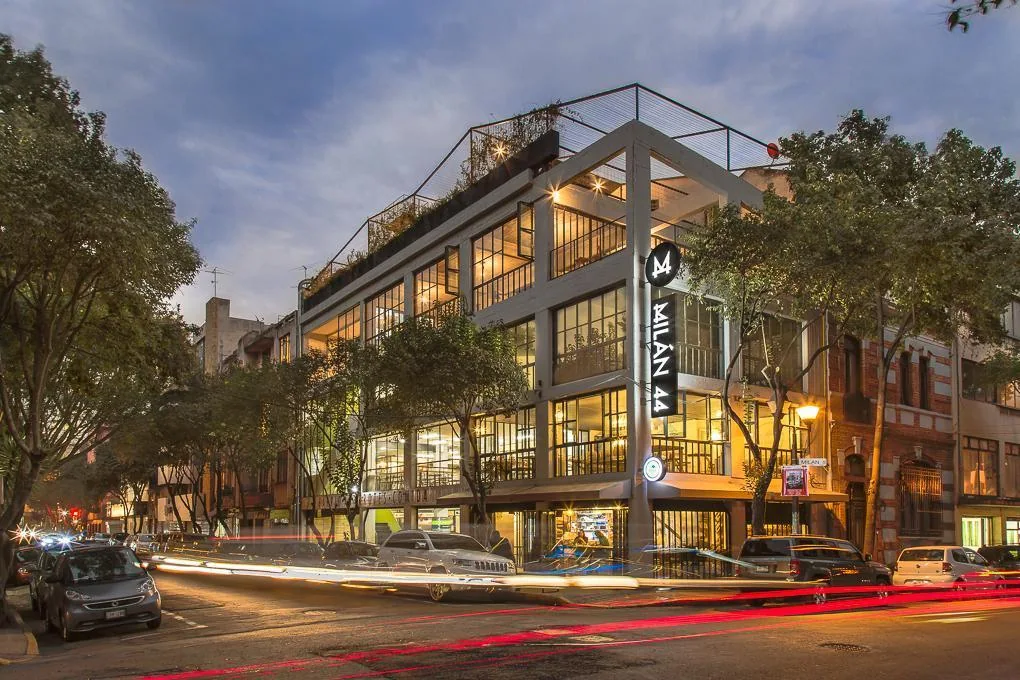
Adaptive reuse, mixed use, resident experience and community formation.
Explore Reurbano's work ↗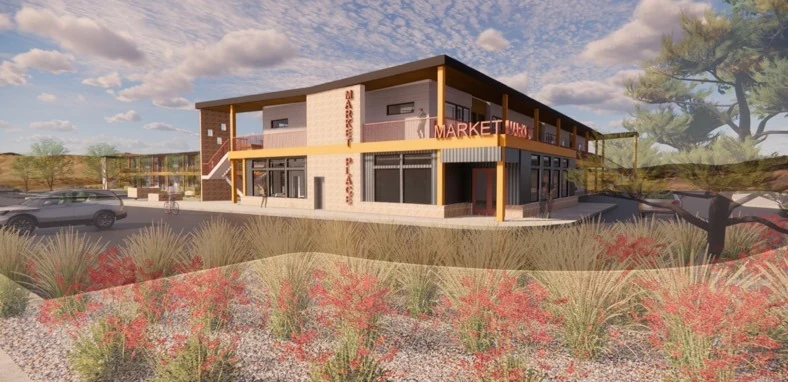
Local execution, housing partnerships, long-term ownership and property operations.
View three project case studies ↗
A possible alternative pathway to ownership for eligible households; exploratory only.
Explore the financing hypothesis ↗Reurbano and Situs are discussing a collaboration; Ownify is a prospective financing collaborator. No CHC site, partner funding, joint venture, or financing product has been committed. Situs project imagery is used with permission. These examples are not CHC projects.
10 / WHERE WE SEE POSSIBILITY
We are investigating markets where the housing need, a viable site, local demand, and a credible execution path might intersect. Select a town to explore the initial thesis.
Schematic state map. Markers indicate towns, not available parcels. No site control, local sponsorship, or development authorization is implied.
11 / FROM VISION TO DELIVERY
Not every place with a housing shortage is a viable opportunity. We would advance projects through three potential routes, and the same rigorous screen.
Start with a local developer, a credible site and product-market fit. Add the community housing model where it strengthens the proposition.
Potential example: Grand JunctionWork with a municipality or housing partner on a defined need, site and contribution, without relying on vague promises of subsidy.
Potential example: Gypsum or RifleFind an existing building or neighborhood at the right basis. Test practical improvements to homes, common spaces and long-term operations.
Potential example: Front Range small multifamily12 / AN OPEN INVITATION
We're looking for development partners, local institutions, landowners and patient capital interested in creating housing that makes communities stronger.